NEW PART L REGULATIONS
Why Solar PV is the Fastest Route to Meeting the New Part L Regulations
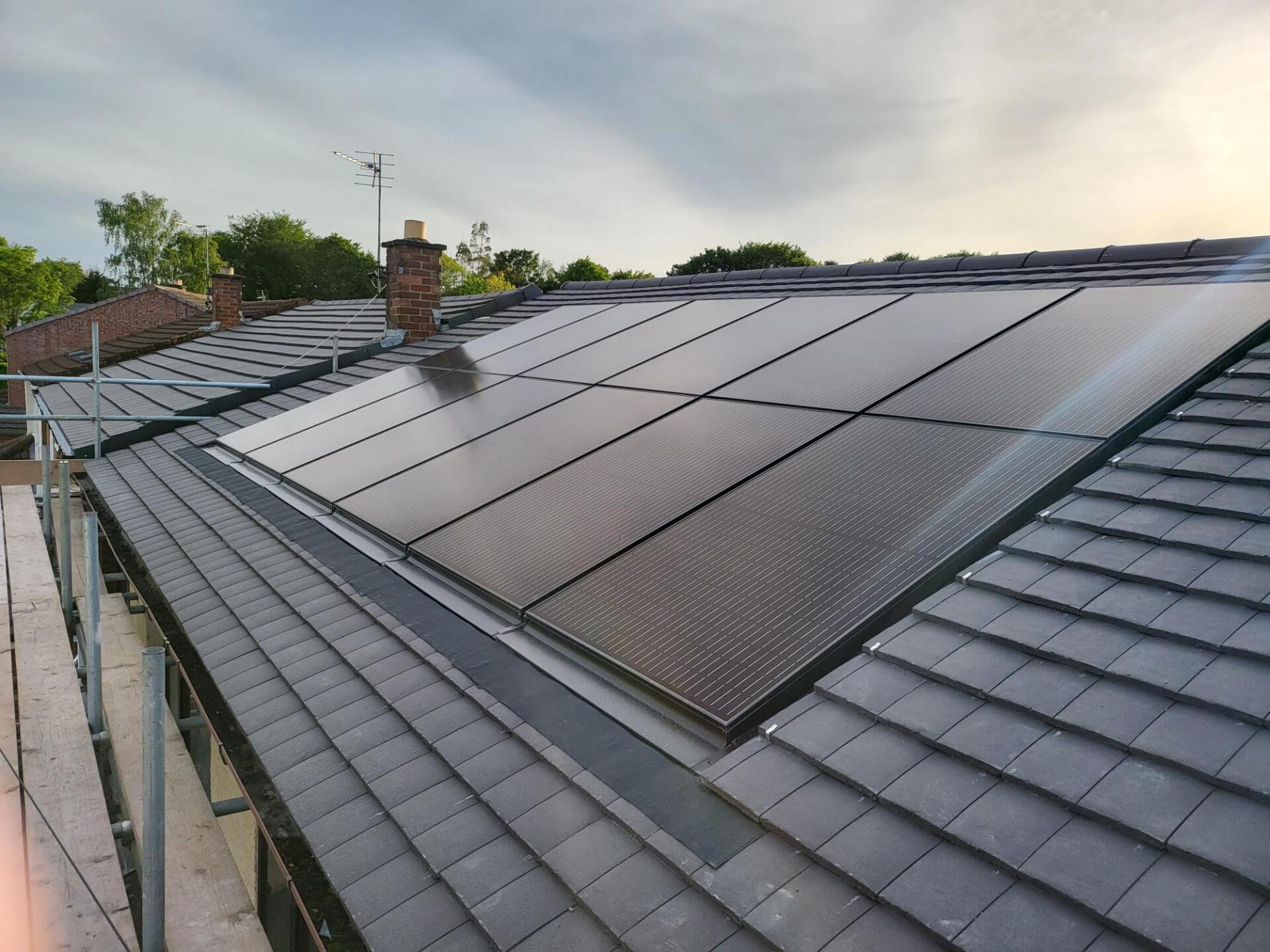
If you're a developer, architect, or building owner in England, you'll already know that the regulatory landscape around energy efficiency is shifting — and shifting fast. The Future Homes Standard is now law, with the updated Building Regulations coming into force on 24 March 2027. At the heart of those changes sits Part L, and solar photovoltaic (PV) is by far the most direct and proven way to meet it.
Here's what you need to know — and why acting now is the smart move.
What Has Changed with Part L?
Part L of the Building Regulations covers the conservation of fuel and power, setting the energy performance standards that new and significantly altered buildings must meet. The 2021 edition (in force since June 2022) already tightened requirements considerably — but the upcoming 2026 revision goes much further.
The new Building Regulations Amendment (England) Regulations 2026, laid before Parliament, will come into force on 24 March 2027, with a slightly later date for higher-risk buildings. The Future Homes Standard will require solar panels to be installed in the majority of new buildings — this is no longer guidance or best practice. It is a legal requirement.
From 24 March 2027, the carbon targets in Part L 2026 cannot be met with any form of gas, oil, LPG, or hydrogen-ready boiler. New-build heating will need to be predominantly air source heat pumps or heat networks — and even then, solar PV will be a key part of making the numbers work.
The 40% Rule — What It Means in Practice
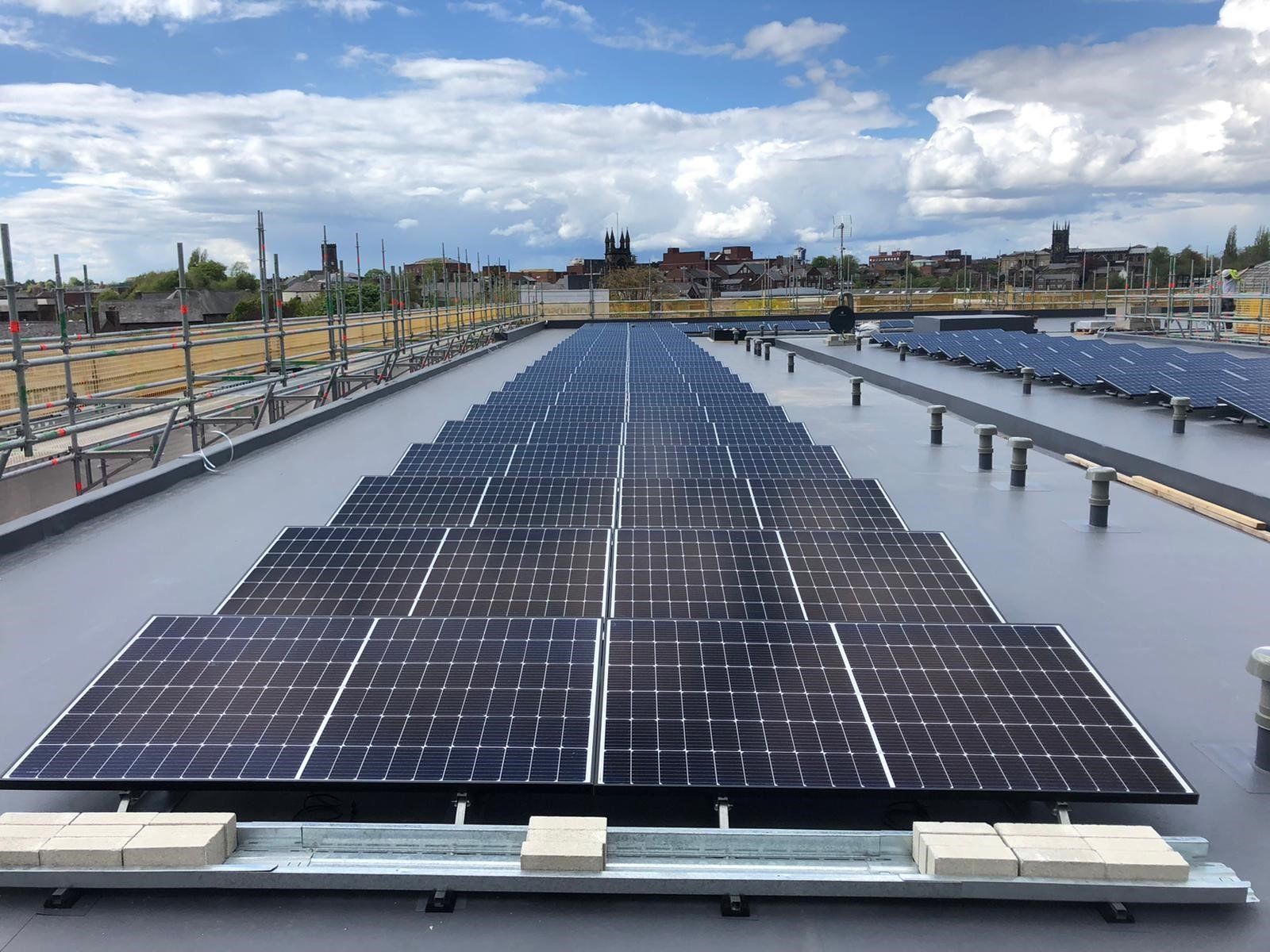
One of the most significant new requirements is the solar coverage specification. New homes built from October 2026 onwards will generally be required to have solar PV systems covering an area equivalent to at least 40% of the new home's ground floor area.
The pre-2027 loophole that allowed minimal 'box-ticking' arrays is closed: SAP/HEM compliance now requires the 40% coverage figure, or a documented technical justification for less. 2024 NHBC data showed 42% of new homes had PV under the legacy rules — but most arrays were undersized. That is exactly what the Future Homes Standard fixes.
In short: token installations won't cut it anymore. Systems need to be properly sized, properly designed, and properly installed.
Why Solar PV is the Fastest Compliance Route
There are several technologies that contribute to Part L compliance — better insulation, triple glazing, heat pumps, MVHR ventilation systems. But solar PV stands out for a simple reason: it delivers measurable, calculable carbon and energy reductions that feed directly into SAP/HEM assessments, and it can be designed, scoped, and installed relatively quickly compared to structural fabric upgrades.
Solar panels are widely recognised as the most effective means of meeting Part L compliance, offering a proven track record in reducing carbon emissions and enhancing energy sustainability. The technology is well-established, thoroughly tested, and readily available.
For developers working to tight programmes, that matters enormously. Upgrading wall insulation or changing a building's heating strategy mid-project is expensive and disruptive. Adding a well-specified rooftop solar array is comparatively straightforward — provided you engage the right contractor early enough.
Under the updated Part L Building Regulations, gas boilers must be accompanied by some form of renewable energy to meet compliance, and this is most commonly solar PV. The solar PV requirement will depend on the fabric and heating specification of the dwelling.
Commercial Buildings Aren't Exempt
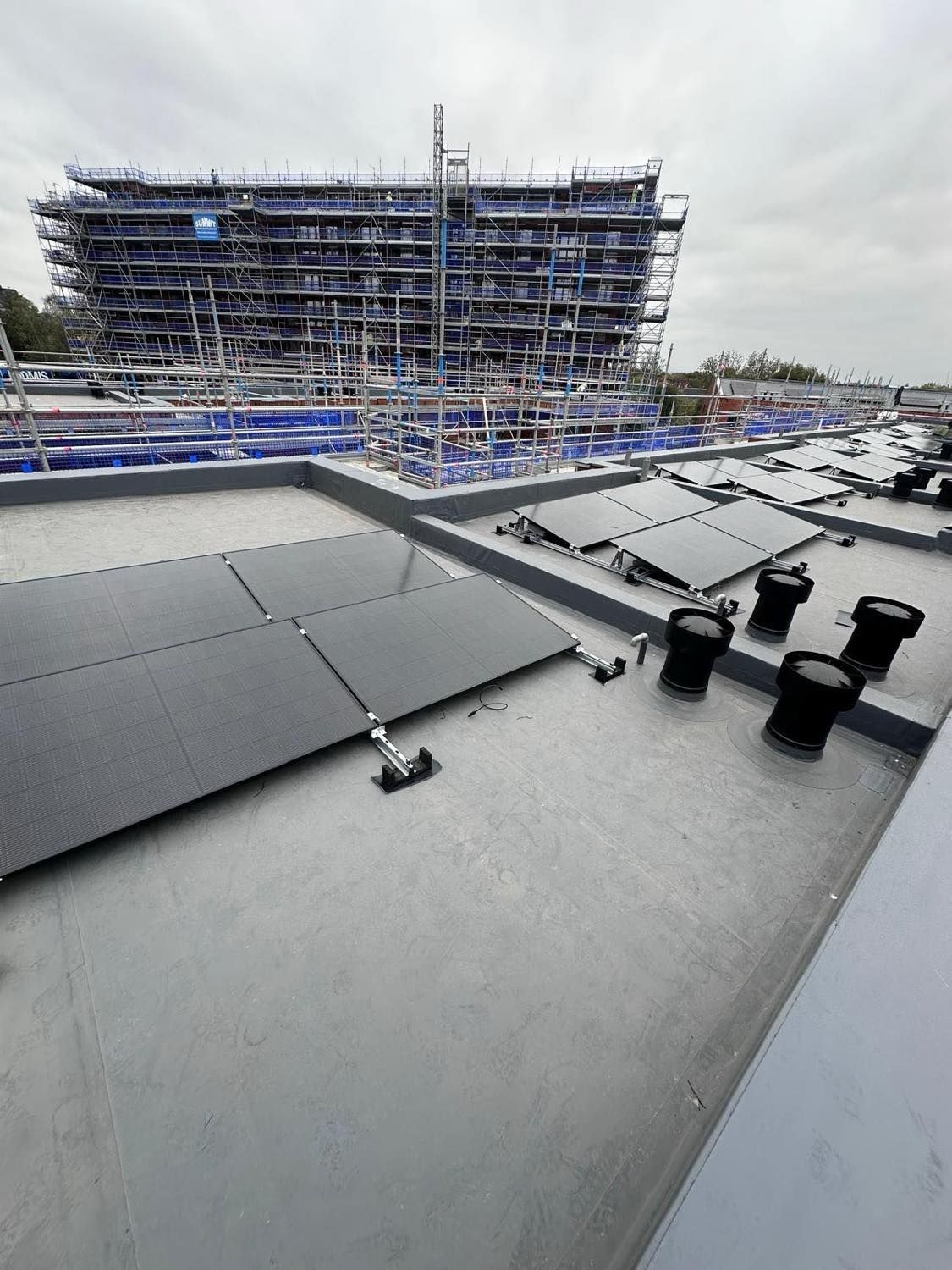
It's easy to assume this is purely a housebuilder concern, but Part L applies to commercial and non-domestic buildings too. The Future Homes and Buildings Standard covers both. If you're putting up a warehouse, office, school, or retail unit — the same principles apply.
Developers who planned ahead are moving smoothly. Those who didn't are facing programme delays and last-minute cost pressure. Don't be in the second group.
The Cost Case Is Stronger Than Ever
Beyond compliance, the financial case for solar PV has rarely been better. The Government's own Impact Assessment estimates approximately £4,350 in additional build cost per dwelling to meet the new standards — covering PV, heat pump, enhanced insulation, MVHR, and improved windows and doors. Buyers typically recoup that premium through around 86% lower electricity bills, with a payback of six to ten years at 2026 tariffs.
For commercial projects, the return on investment can be even faster — particularly with rising grid electricity costs and the ability to offset daytime consumption directly.
Don't Leave It Late The regulations are confirmed. The timeline is set. The only variable is how prepared you are when the deadline arrives.