Building Safety Act - Guide to Gateways
What Developers and Building Owners Need to Know.
A practical guide to Gateway 1, 2 and 3 — and what they mean for solar PV on high-rise residential buildings
Introduction
If you're involved in developing, managing or adding solar PV to high-rise residential buildings in England, the Building Safety Act (BSA) is something you need to understand. Brought in following the Grenfell Tower fire and the subsequent Hackitt Review, the Act introduces a structured safety approval process for higher-risk buildings — and it has real implications for anyone planning renewable energy installations on these structures.
Central to this process are three checkpoints known as Gateways. Each one sits at a critical point in a building's journey: before planning permission is granted, before construction begins, and before occupation. Miss a Gateway or submit the wrong documentation, and your project will stall — potentially at considerable cost.
At GreenBridge Renewables, we work with commercial clients and developers across the UK. As solar PV becomes an increasingly common feature of new high-rise developments — driven by Part L regulations and the push towards net zero — understanding how the Gateway process affects your project is no longer optional.
Which Buildings Are Affected?
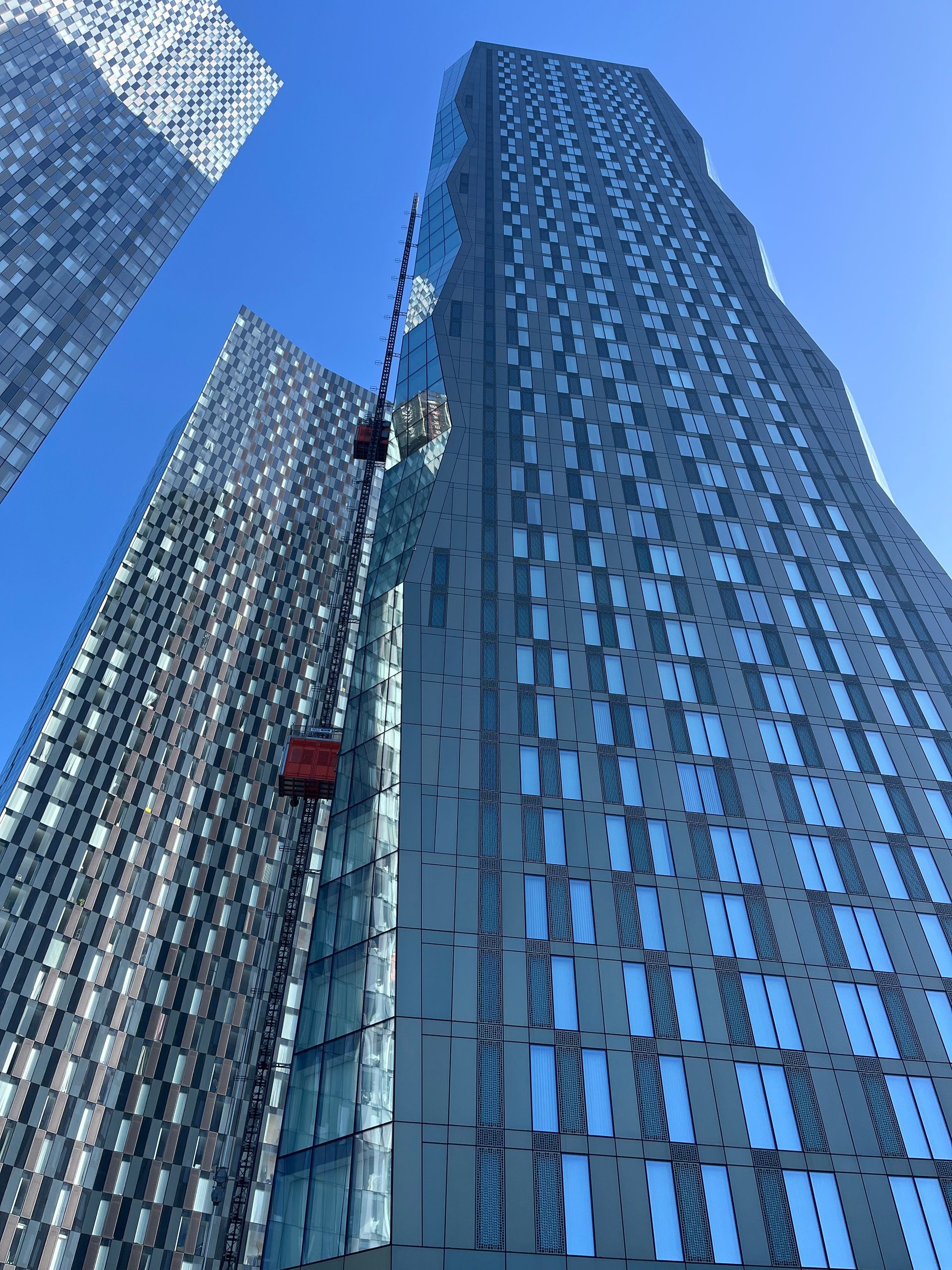
The Gateway regime applies to what the government defines as "higher-risk buildings". These are structures that are at least 18 metres in height or seven storeys tall, and which contain at least two residential dwellings or student accommodation.
It's worth noting that the definition is based on the building's primary use and height — not the type of work being carried out on it. So even if you're only installing solar panels on the roof, the Gateway process still governs the wider project if the building itself meets those criteria
Gateway 1:
Before Planning Permission
Gateway 1 applies at the planning stage. It focuses entirely on fire safety and requires developers to submit a Fire Statement alongside their planning application.
Once a planning application is submitted for a higher-risk building, the Building Safety Regulator (BSR) — operated by the Health and Safety Executive — becomes a statutory consultee. The local planning authority must seek the HSE's input before deciding whether to approve or refuse the application
The Fire Statement must address:
• Site layout and access for emergency services vehicles
• Evacuation strategy and the design of escape routes
• Materials and construction methods, including roof finishes where solar PV is planned
What can cause delays at Gateway 1?
The most common issues are mismatches between the Fire Statement and the submitted drawings, inadequate emergency access routes, or stairwells that connect directly to high-risk areas such as bin stores. Single-staircase designs are also increasingly scrutinised and should be approached with caution unless a robust fire safety case can be made.
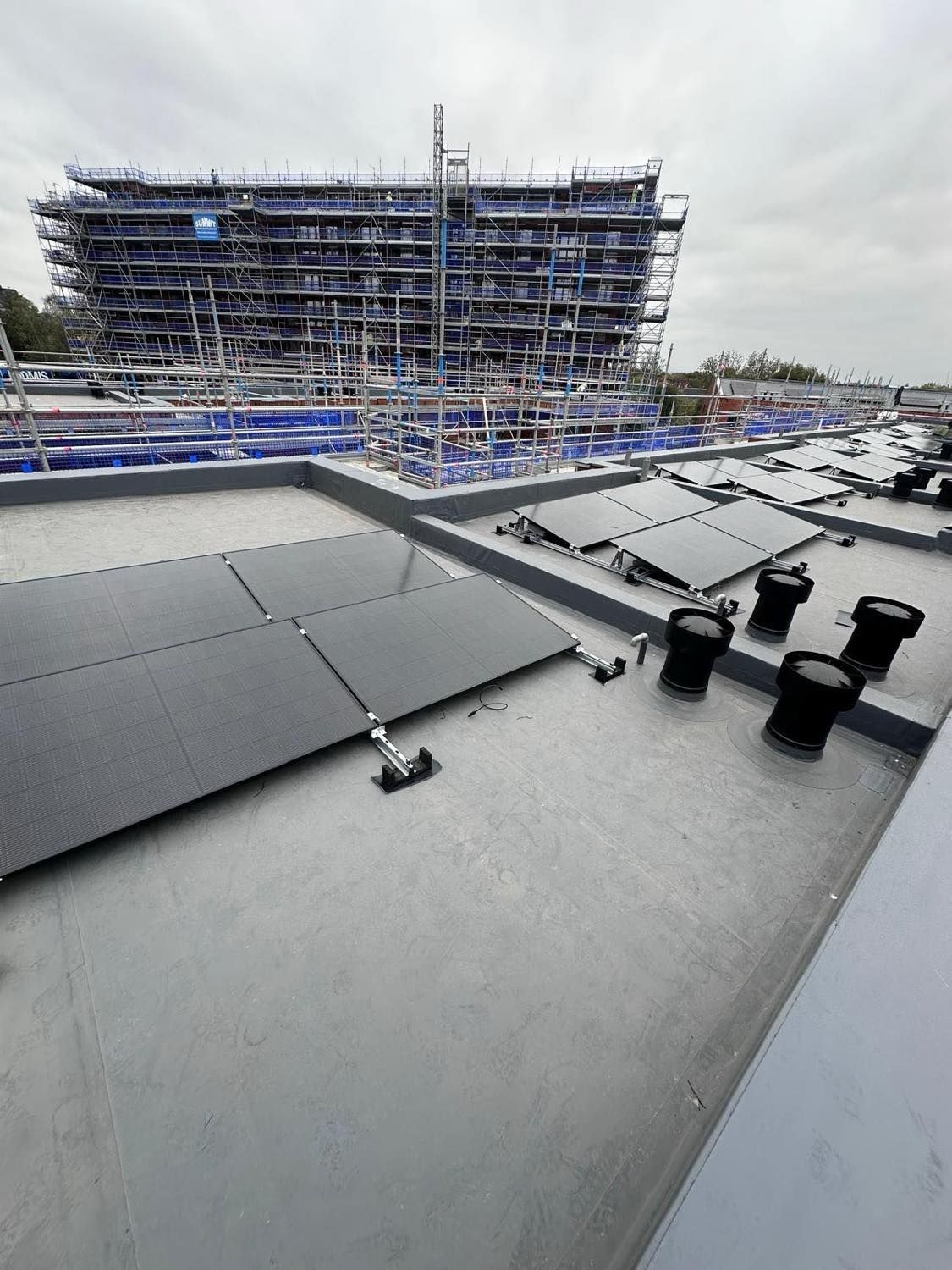
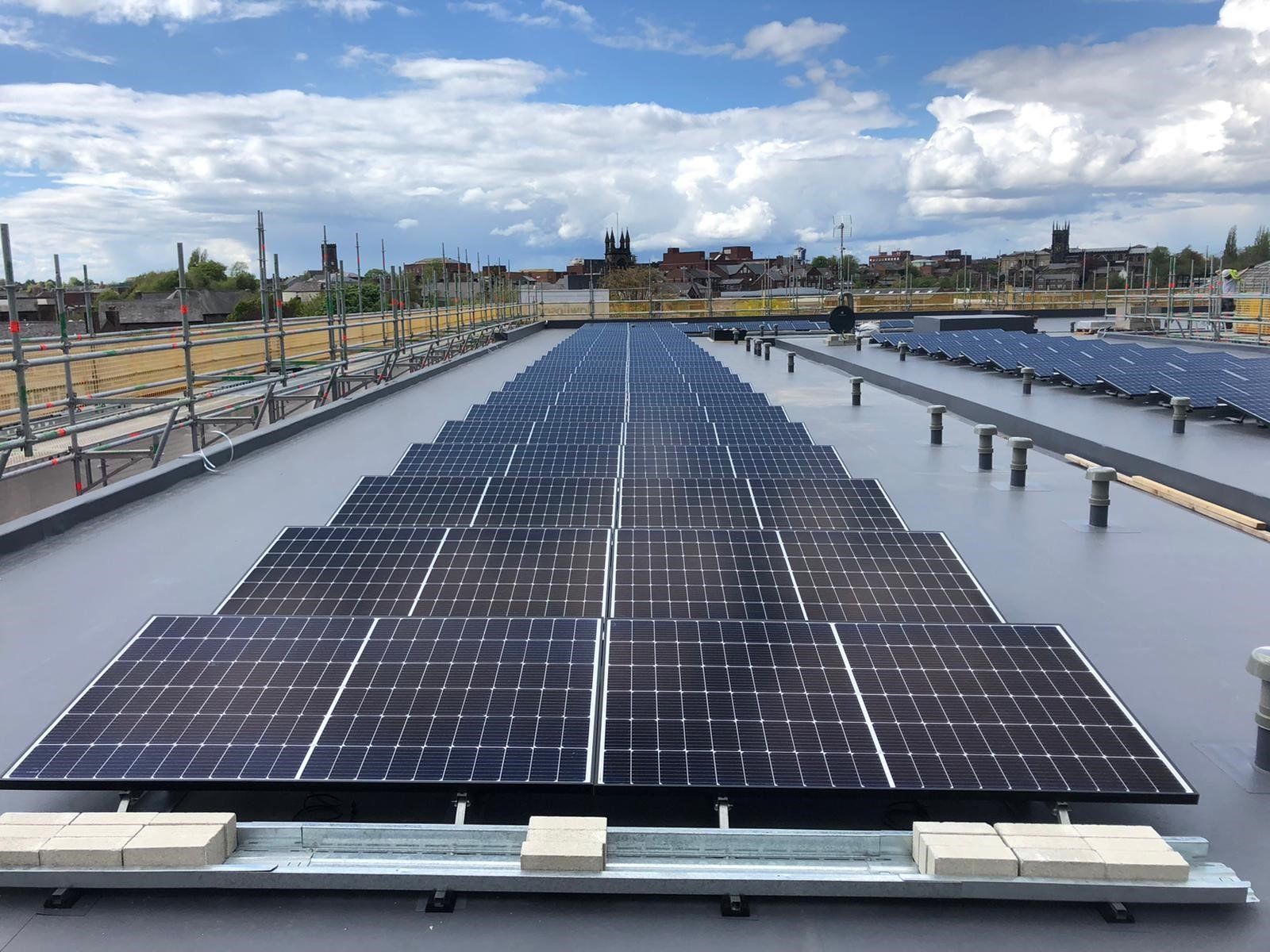
For solar PV specifically: if rooftop installations are planned, it's worth considering at Gateway 1 how panel layout might interact with roof access for firefighters, and ensuring any fire strategy notes this.
Gateway 2: Before Construction
Gateway 2 is the most document-intensive checkpoint. You cannot legally begin construction work on a higher-risk building until the BSR grants approval. It is an offence to start on site without it.
At this stage, the BSR takes over as the building control authority. Your application must demonstrate that the full design complies with building regulations, and that the right people are in place to manage and oversee the work.
A Gateway 2 application needs to include:
• Full design drawings and building specifications
• Details of the materials, systems and construction methods to be used
• Dutyholder appointments — Client, Principal Designer and Principal Contractor — with evidence
of competence
• A Construction Control Plan setting out how the build will be monitored and managed
• A Change Control Plan documenting how any design alterations during construction will be
recorded and approved
The Golden Thread — and why it matters for solar PV
All documentation submitted at Gateway 2 forms part of the building's Golden Thread — a digital record of safety-critical information that must be maintained throughout the structure's entire life. For solar PV systems installed as part of the original build, this means your installation records, single-line diagrams, test results and equipment specifications should be incorporated into the Golden Thread from day one.
This is an area where working with an MCS-certified installer who provides thorough technical documentation makes a real difference. At GreenBridge, every installation comes with full DC test results, string configuration details, and compliance documentation — exactly the kind of records that belong in a building's Golden Thread.
Common reasons Gateway 2 applications are rejected:
• Incomplete or inconsistent design information
• Vague or underdeveloped Construction Control Plans
• Missing dutyholder competency declarations
• Insufficient evidence of how specific regulations will be met in practice
Gateway 3: Before Occupation
Gateway 3 is the final sign-off. No part of a higher-risk building can be legally occupied until the BSR issues a completion certificate confirming all requirements have been met.
Once construction is complete, you must submit a completion application to the BSR. This provides evidence that the finished building matches the approved design and complies with all relevant regulations.
The completion application should include:
• As-built drawings accurately reflecting the finished structure
• Updated versions of all safety documents from Gateway 2
• A full record of all changes made during construction, approved through the Change Control Plan
• Final declarations from all dutyholders confirming the work was carried out competently
• Evidence that required testing and inspections have been completed
For solar PV installations forming part of the build, the as-built documentation must be updated to reflect the actual installation — including panel layout, inverter location, DC isolator placement, and any changes from the original design.
Delays at Gateway 3 most commonly arise from gaps between the approved design and what was actually built, poorly documented changes, or missing safety declarations from contractors. Good record-keeping throughout the project is the best way to avoid these issues.
After Gateway 3: Ongoing Safety Responsibilities
Passing Gateway 3 doesn't mean safety obligations end. Once the completion certificate is issued, responsibility for the building passes to the Accountable Person (AP), who must register the building with the BSR before residents can move in.
The AP is required to maintain a Safety Case Report demonstrating how fire and structural risks are identified, managed and reviewed on an ongoing basis. The building's Golden Thread must also be kept up to date — which, for solar PV, means ensuring that any future maintenance, component replacements or system upgrades are properly documented.
Working on a high-rise development with rooftop solar in scope? GreenBridge Renewables is MCS-certified and experienced in delivering solar PV on commercial and residential developments across the UK. We provide the technical documentation, compliance records and installation quality you need to satisfy Gateway requirements and support your Golden Thread. Get in touch at gb-r.co.uk or call us to discuss your project